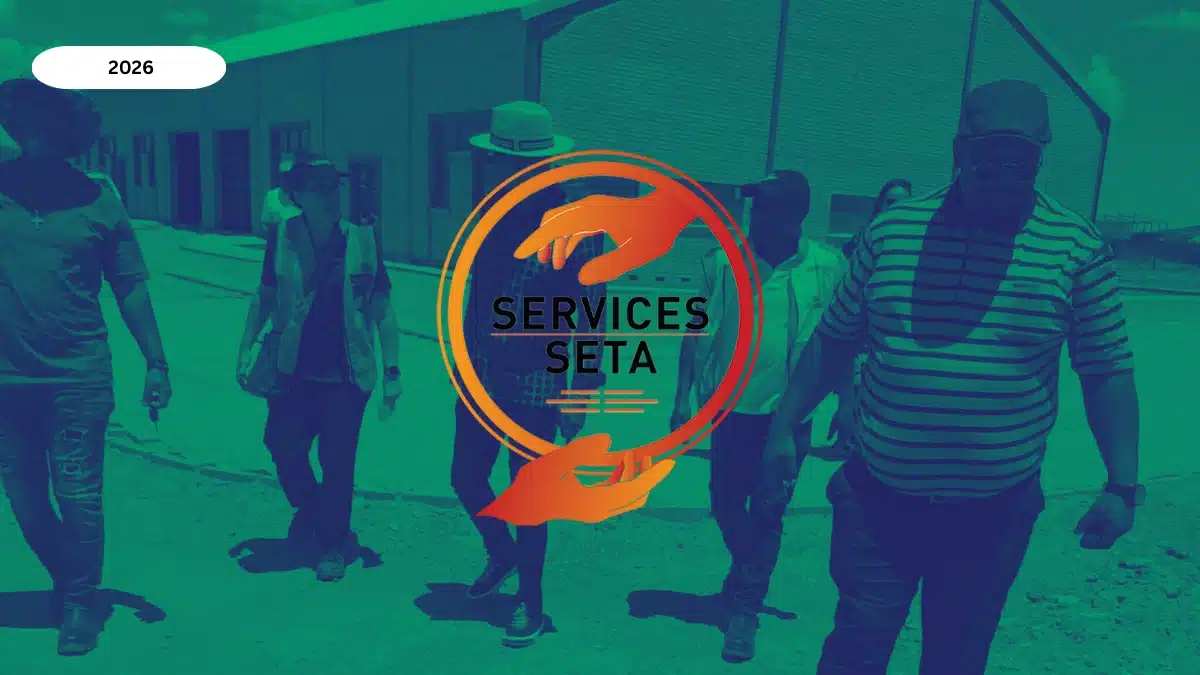
Services SETA Learnership Conducts Oversight Visit at Prieska Skills Development Centre 2026
Building Skills Where They Are Needed Most: Inside the Prieska Skills Development Centre Oversight Visit
Services SETA Learnership conducts an oversight visit at the Prieska Skills Development Centre, strengthening access to accredited training, employable skills, and learnership opportunities in the Northern Cape.
This week, senior Services SETA learnership conducted an oversight visit to the nearly completed Prieska Skills Development Centre in the Northern Cape. The project represents more than just new infrastructure — it is a strategic investment in employability, local capability, and long-term regional economic development.
Why Oversight Visits Matter in Skills Development
Oversight visits are sometimes viewed as procedural, but within the skills development sector, they play a vital role. They allow decision-makers to evaluate whether projects are aligned with community needs, whether partnerships are functioning effectively, and whether public funding is producing real, measurable outcomes.
The Services SETA delegation was led by Accounting Authority Mr. Lehlogonolo Masoga, alongside Acting CEO Mr. Sibusiso Dhladhla, Acting Executive Manager Mr. Makhaya Blaai, and Provincial Manager Mrs. Melisa Christians. Their participation reflected institutional accountability and a hands-on approach to delivering learnership and training outcomes.
The delegation was joined by representatives from the Siyathemba Local Municipality and the Northern Cape Department of Roads and Public Works, underscoring the collaborative framework supporting the development of the centre.
A Strategic Location With Long-Term Impact
Prieska may not often feature in national development conversations, yet rural towns like it are where targeted skills investment can have the greatest effect. For years, limited access to training has forced residents to migrate or abandon further education altogether.
By establishing a fully equipped skills development centre in Prieska, the Services SETA and its partners are directly addressing one of the biggest barriers to participation: distance. When training is accessible, enrolment increases, dropout rates decline, and skills are more likely to be retained within the local economy.
This approach reflects a growing shift toward place-based development, recognising that skills initiatives must respond to the specific realities of each region.
Partnerships Driving the Prieska Skills Development Centre
A defining feature of the Prieska Skills Development Centre is its operational model. Once completed, the facility will be managed by the Northern Cape Rural TVET College, in partnership with the local municipality.
This partnership brings together:
- The academic and accreditation expertise of a public TVET institution
- The local knowledge and infrastructure support of municipal government
- The funding, quality assurance, and sector alignment of the Services SETA
Together, these elements strengthen the sustainability and effectiveness of the centre beyond its launch phase.
Training Programmes Linked Directly to Employment
The programmes planned for the centre reflect a deliberate focus on practical, employable skills that align with both local demand and provincial economic priorities.
Accredited training will be offered in:
- Hairdressing
- Textiles
- Plumbing
- Electrical work
- Welding
These trades support self-employment, small business development, public infrastructure projects, and private-sector growth. They are also portable skills, allowing graduates to work locally or elsewhere if opportunities arise.
Skills Development as Economic Infrastructure
Skills development is often discussed separately from economic growth, yet the two are deeply interconnected. Infrastructure projects, housing developments, energy initiatives, and local enterprises all rely on trained artisans and technicians.
By investing in trade-based learnership and training, the Prieska Skills Development Centre becomes part of the Northern Cape’s economic infrastructure. It strengthens the province’s ability to deliver projects efficiently, attract investment, and reduce dependence on external contractors.
This is especially important in a province where long distances and skills shortages can significantly increase development costs.
USEFUL LINKS
What This Means for Youth and Jobseekers in Prieska
For young people and unemployed adults in Prieska and surrounding communities, the centre represents access — access to accredited training, recognised qualifications, and realistic pathways into employment.
Rather than waiting for opportunities to come from outside the region, residents will be able to develop skills that allow them to create and sustain livelihoods locally. For many households, this access could be the difference between prolonged unemployment and long-term economic stability.
It also reduces the financial and emotional burden associated with relocating to major cities in search of education and work.
Readiness, Accountability, and Handover
The oversight visit also focused on assessing readiness for completion and handover. Infrastructure alone does not guarantee success. Training facilities must meet safety standards, be properly equipped, and comply with accreditation requirements.
Early engagement by Services SETA learnership ensures that any outstanding issues are resolved before learners arrive. This proactive approach helps prevent delays, underutilisation, and operational challenges that have affected similar projects elsewhere.
A Replicable Model for Rural Skills Development
The Prieska Skills Development Centre offers a practical model for other rural areas facing similar challenges. Skills development does not need to be concentrated in urban centres to be effective.
Key success factors include:
- Community-relevant training programmes
- Strong institutional partnerships
- Continuous oversight and accountability
- Alignment with labour market needs
When these elements are in place, rural training centres can become long-term anchors of local development.
Looking Ahead
As the Prieska Skills Development Centre approaches completion and official handover, expectations are high. The true measure of success will be reflected in enrolment levels, completion rates, employment outcomes, and sustained community impact over time.
For now, the oversight visit sends a clear message: skills development in the Northern Cape is a priority, not an afterthought.
For the people of Prieska, it marks a meaningful step toward accessible learnership opportunities and employment pathways rooted within their own community — not hundreds of kilometres away.
FAQs
1. What is the purpose of the Prieska Skills Development Centre?
The centre aims to provide accredited skills training and learnership opportunities to residents of Prieska and surrounding rural areas.
2. Who is responsible for the Prieska Skills Development Centre?
The centre is supported by Services SETA Learnership and will be operated by the Northern Cape Rural TVET College in partnership with the local municipality.
3. What courses will be offered at the centre?
Training will be offered in hairdressing, textiles, plumbing, electrical work, and welding.
4. Who can apply for training at the centre?
Youth and unemployed adults from Prieska and nearby communities will be eligible to apply.
5. Why is the Services SETA Learnership oversight visit important?
The oversight visit ensures the facility meets training standards and is ready to deliver quality learnership programmes.